Skip to content

1. The Master said, "The progressive ones in matters of Li and music are those from the countryside. The less progressive ones in matters of Li and music are from the nobility. In using Li and music, I am in the train of the progressive ones."
子曰:「先進於禮樂,野人也;後進於禮樂,君子也。如用之,則吾從先進。」

2. The Master said, "Those who followed me to Chen and Cai have all left my school now."
子曰:「從我於陳、蔡者,皆不及門也。」

3. As for virtuous conduct, Yan Yuan, Min Zi Qian, Ran Bo Niu and Zhong Gong excelled. In speech, Zai Wo and Zi Gong excelled. In politics, Ran You and Ji Lu excelled. In erudition, Zi You and Zi Xia excelled.
德行:顏淵,閔子騫,冉伯牛,仲弓。言語:宰我,子貢。政事:冉有,季路。文學:子游,子夏。

4. The Master said, "Hui does not help me. Anything I say, he finds delight in it."
子曰:「回也非助我者也,於吾言無所不說。」

5. The Master said, "Excellent indeed is Min Zi Qian in serving his family members! People do not cavil at what his parents and brothers say about him."
子曰:「孝哉閔子騫!人不間於其父母昆弟之言。」

6. Nan Rong would often recite the poem ‘White jade’. Confucius gave his niece to him in marriage.
南容三復白圭,孔子以其兄之子妻之。 ("Flaws in white jade mace, they can be grinded off. Flaws in speech, nothing can be done about them." 白圭之玷、尚可磨也。斯言之玷、不可為也。)

7. Lord Ji Kang asked, "Among your students, who is fond of learning?’ Confucius replied, ‘A man called
Yan Hui was fond of learning. Unfortunately, he died early. Now there is none."
季康子問:「弟子孰為好學?」孔子對曰:「有顏回者好學,不幸短命死矣!今也則亡。」

8. Yan Yuan died. Yan Lu [Yan Yuan's father] inquired whether the Master could sell his carriage to pay for the outer coffin. The Master said, "This is not about money. It is about one’s son. When Li died, he was buried in a coffin without an outer coffin. I did not go on foot in order to have the outer coffin. As I am in the train of dignataries, I could not go on foot."
顏淵死,顏路請子之車以為之椁。子曰:「才不才,亦各言其子也。鯉也死,有棺而無椁。吾不徒行以為之椁。以吾從大夫之後,不可徒行也。」

9. Yan Yuan died. The Master said, ‘O dear! Heaven is forsaking me! Heaven is forsaking me!’
顏淵死。子曰:「噫!天喪予!天喪予!」

10. Yan Yuan died. The Master wailed in great grief. The attendants said, ‘Sir, you grieve greatly.’ ‘Do I?’ said the Master. ‘If his loss does not cause grief, what will?’
顏淵死,子哭之慟。從者曰:「子慟矣。」曰:「有慟乎?非夫人之為慟而誰為!」

11. Yan Yuan died. The fellow students wanted to have a generous funeral. The Master said, ‘You may not.’ The students gave a generous funeral. The Master said, ‘Hui treated me as his father and I am unable to treat him as my son. This is not because me. It is because of you guys.’
顏淵死,門人欲厚葬之,子曰:「不可。」門人厚葬之。子曰:「回也視予猶父也,予不得視猶子也。非我也,夫二三子也。」

12. Ji Lu asked about serving spirits and ghosts. The Master said, ‘While we haven’t manged to serve human beings, how could we serve ghosts?’ ‘May I then ask about human being’s death?’ The Master said, ‘We don’t even know about life; how can we know about death?’
季路問事鬼神。子曰:「未能事人,焉能事鬼?」敢問死。曰:「未知生,焉知死?」

13. In attendance upon the Master, Min Zi would be courteous and to the point; Zi Lu was courageous and strong; Ran You and Zi Gong were calm and leisurely. The Master took delight in them. But he said, ‘A man like You (由) would not manage to die a natural death.’
閔子侍側,誾誾如也;子路,行行如也;冉有、子貢,侃侃如也。子樂。「若由也,不得其死然。」

14. People in Lu were going to refurbish the treasury building. Min Zi Qian said, "Why not use the old one? Do they really have to redo it?" The Master said, "This man does not talk. But when he does, he surely hits the mark."
魯人為長府。閔子騫曰:「仍舊貫,如之何?何必改作?」子曰:「夫人不言,言必有中。」

15. The Master said, ‘Listen to You (由) playing the lute! How could it ever pass as a sound of Qiu’s school?’ Fellow students did not show respect to Zi Lu. The Master said, ‘You (由) has come to the door. He simply hasn’t entered in the room yet.’
子曰:「由之瑟奚為於丘之門?」門人不敬子路。子曰:「由也升堂矣,未入於室也。」

16. Zi Gong asked, ‘Between Shi (Zi Zhang) and Shang (Zi Xia), who is better?’ The Master said, ‘Shi goes too far and Shang falls short.’ ‘Shi is better, then?’ said Zi Gong. The Master said, ‘Going too far is similar to falling short.’
子貢問:「師與商也孰賢?」子曰:「師也過,商也不及。」曰:「然則師愈與?」子曰:「過猶不及。」

17. Lord Ji was wealthier than the Duke of Zhou. Qiu worked for him and managed to accumulate and save further to enrich him more. The Master said, ‘Qiu is not our man. You guys might as well beat the drums and attack him.’
季氏富於周公,而求也為之聚斂而附益之。子曰:「非吾徒也。小子鳴鼓而攻之,可也。」

18. Chai is thick. Shen is dull and pompous. Shi is specious. You is rough and tough.
柴也愚,參也魯,師也辟,由也喭。

19. Hui was almost perfect. But he had nothing. Ci did not accept the heavenly mandate. He instead made a fortune. His speculation often turned out right.
子曰:「回也其庶乎,屢空。賜不受命,而貨殖焉,億則屢中。」

20. Zi Zhang asked about the way of a good person. The Master said, "If you don't tread on others' footsteps, you won't enter into the room."
子張問善人之道。子曰:「不踐跡,亦不入於室。」

21. The Master said, "Suppose a person's discourse is sincere. Does that mean that he is a noble man or he merely has a splendid appearance?"
子曰:「論篤是與,君子者乎?色莊者乎?」

22. Zi Lu asked, "Sould I carry out what I heard?" The Master said, "You have parents and brothers still around. How can you carry out what you heard." Ran You asked, "Should I carry out what I heard?" The Master said, "Carry out what you heard." Gong Xi Hua said, "When You (由; Zi Lu) asked whether to carry out what he heard, you said no by referring to 'parents and brothers'. When Qiu (求; Ran You) asked whether to carry out what he heard, you said yes. I am confused. May I ask why the difference?" The Master said, "Qiu (求) is passive, so I wanted to encourage him. You (由) is full of energy, so I wanted to slow him down."
子路問:「聞斯行諸?」子曰:「有父兄在,如之何其聞斯行之?」冉有問:「聞斯行諸?」子曰:「聞斯行之。」公西華曰:「由也問聞斯行諸,子曰『有父兄在』;求也問聞斯行諸,子曰『聞斯行之』。赤也惑,敢問。」子曰:「求也退,故進之;由也兼人,故退之。」

23. The Master was under threat in Kuang. Yan Yuan fell behind and appeared later. The Master said, "I thought you had died." Yan Yuan replied, "When you are still around, how dare I die?"
子畏於匡,顏淵後。子曰:「吾以女為死矣。」曰:「子在,回何敢死?」

24. Ji Zi Ran asked, "Zhong You and Ran Qiu, can they be called great ministers?" The Master said, "I thought you would ask about something more extraordinary than You and Qiu. Great ministers are those who take the proper way to serve the ruler. When they cannot do so, they resign. Now, You and Qiu may be called ministers who are merely employable. Ji Zi Ran said, "Will they do what they are told, then?" The Master said, "If they are told to kill the father or the ruler, they will not follow though."
季子然問:「仲由、冉求可謂大臣與?」子曰:「吾以子為異之問,曾由與求之問。所謂大臣者:以道事君,不可則止。今由與求也,可謂具臣矣。」曰:「然則從之者與?」子曰:「弒父與君,亦不從也。」

25. Zi Lu had Zi Gao appointed governor of Fei. The Master said, "You’re ruining a son of a decent man." Zi Lu said, "You need to look after people. You need to look after the alters of the earth and grains. Why must one read books before he can be considered to have learned?" The Master said, "This is why I hate silver tongue."
子路使子羔為費宰。子曰:「賊夫人之子。」子路曰:「有民人焉,有社稷焉。何必讀書,然後為學?」子曰:「是故惡夫佞者。」

26. Zi Lu, Zeng Xi (father of Zeng Zi), Ran You, and Gong Xi Hua were in attendance. The Master said, "Although I am a bit older than you, please do not make much of it. You sit around and say, ‘They don’t know me!’ Suppose a ruler knows you and you are given an opportunity, what would you do? Zi Lu brashly responded, "Take, for example, a country of a thousand chariots caught between bigger countries. Suppose it is invaded by numerous armies and suffering from famine. If the country is put under my helm, within three years, I can make people valiant and have them figure out what to do." The Master smiled wrily. "Qiu (求; Ran You), what about you?" He answered, "If a place of 60 to 70 square miles or 50 to 60 square miles is entrusted to me, within three years, I shall ensure that people have sufficient provisions. Regarding Li and music, I shall wait for a noble man." "Chi (赤; Gong Xi Hua), what about you?" He answered, "I won't say I can do these things. But I wish to learn. In ceremonies at ancestral temples and at important meetings, I would serve as a low level minister dressed in dark robe and black linen cap." "Dian (點; Zeng Xi), what about you?" The strumming of lute was fading as Dian stopped playing. He put away the lute and stood up. He answered, "Mine is different from what these three have elaborately laid out." The Master said, "No problem. Each one says what he wishes to do." Dian said, "In late spring, properly attired in vernal fashion, I would like to go with five or six young lads and six or seven boys to the river Yi (沂). We will bathe there, enjoy the breeze at the rain altar, and return home singing." The Master exclaimed 'Wow' and said, "I am with Dian!" The three went out and Zeng Xi remained behind. Zeng Xi said, "Sir, what do you think about the three guys' remarks?" The Master said, "They merely said what they wish to do." Zeng Xi pursued, "But why did you give a wry smile at You (由; Zi Lu)?" The Master said, "He was talking about ruling a country with Li. But his speech was lacking modesty. That's why." Zeng Xi asked, "Qiu was not talking about a country?" "How do you see that a place of 60 to 70 or 50 to 60 square miles is not a country?" "Surely, Chi was not talking about ruling a country?" "If ancestral temples and important meetings are not the affairs of princes and lords, what are they? If Chi regards himself as a minor figure, then who can be regarded as a major figure?"
子路、曾皙、冉有、公西華侍坐。子曰:「以吾一日長乎爾,毋吾以也。居則曰:「不吾知也!』如或知爾,則何以哉?」子路率爾而對曰:「千乘之國,攝乎大國之間,加之以師旅,因之以饑饉;由也為之,比及三年,可使有勇,且知方也。」夫子哂之。「求!爾何如?」對曰:「方六七十,如五六十,求也為之,比及三年,可使足民。如其禮樂,以俟君子。」「赤!爾何如?」對曰:「非曰能之,願學焉。宗廟之事,如會同,端章甫,願為小相焉。」「點!爾何如?」鼓瑟希,鏗爾,舍瑟而作。對曰:「異乎三子者之撰。」子曰:「何傷乎?亦各言其志也。」曰:「莫春者,春服既成。冠者五六人,童子六七人,浴乎沂,風乎舞雩,詠而歸。」夫子喟然歎曰:「吾與點也!」三子者出,曾皙後。曾皙曰:「夫三子者之言何如?」子曰:「亦各言其志也已矣。」曰:「夫子何哂由也?」曰:「為國以禮,其言不讓,是故哂之。」「唯求則非邦也與?」「安見方六七十如五六十而非邦也者?」「唯赤則非邦也與?」「宗廟會同,非諸侯而何?赤也為之小,孰能為之大?」

Published on Categories ACLP

Ren (仁) and li (禮)

  • If you do not have the ethical integrity, what will become of li? If you do not have the ethical integrity, what will become of music?
    子曰:「人而不仁,如禮何?人而不仁,如樂何?」 (八佾, 3.3)
  • Yan Yuan asked about ren (仁). The Master said, "To overcome oneself and bring oneself to the path of Li (禮), that is ren (仁)." 顏淵問仁。子曰:「克己復禮為仁。(12.1)
  • Zhong Gong asked about ethical integrity (仁). The Master said, "When you are outside, behave courteously as if you are having an audience with a great guest (大賓). When you employ people, treat them with respect as if you are conducting a solemn ceremony (大祭). What you yourself do not want, do not do it to others. Make sure that there is no grievance in the country and in your household." Zhong Gong said, "Although I am not smart, I shall mark these words." (12.2)
  • Zi Xia asked, ‘“Enchanting smile, revealing the dimples; Beautiful eyes, with a dark iris; Plain white, making patterns colourful.” What does that mean?’ The Master said, ‘Painting is to be done on white.’ Zi Xia said, ‘Li comes afterwards, you mean?’ The Master said, ‘You move me, Shang! Now we can talk poetry together.’ 子夏問曰:「『巧笑倩(천)兮,美目盼(반)兮,素以為絢(현)兮。』何謂也?」子曰:「繪事後素。」曰:「禮後乎?」子曰:「起予者商也!始可與言詩已矣。」 (八佾, 3.8)
  • Does 'ceremonial' Li (禮) have much to do with Ren (仁)?
    • Guan Zhong (管仲)'s case

1. Ren (仁) and beauty (美)

There is no one whose ren (仁) is as beautiful as him (美且仁),

There is no one whose drinking manners are as beautiful as him (美且好),

There is no one whose horse riding stance is as beautiful as him (美且武)

-- (詩經, 鄭風, 叔于田)

His ren (仁) is beautiful (美且仁),

His neat hair is beautiful (美且鬈),

His firm posture is beautiful (美且偲).

-- (詩經, 齊風, 盧令)

尙書, 金滕 Duke of Zhou's prayer for his brother's recovery from illness

Please take Dan's (=Duke of Zhou's) body instead of his body (以旦代某之身). My ren (仁) resembles our deceased father (予仁若考). I have many talents and I have many skills. I can serve ghosts and spirits. My elder brother does not have as many talents or skills as myself. He cannot serve ghosts and spirits. Moreover, he has the task of making your descendents prosper in this land. 

김병환, "공자 이전의 仁개념 연구", 동양철학 제20집(2003)

2. What is truly beautiful?

  • The Master said, "To live with 仁 (ethical integrity; inner beauty) is truly beautiful. If you choose not to live with integrity, can you claim to have wisdom?" 子曰:「里仁為美。擇不處仁,焉得知?」(4.1)
  • The Master said, "Soothing words and pleasant face; there can hardly be ethical integrity." 子曰:「巧言令色,鮮矣仁!」 (1.3) (17.17)
  • The Master said, ‘Soothing words, pleasant face and lots of politeness. Zuo Qiu Ming regarded them as shameful. I (Qiu) also regard them as shameful. To hide grievance and pretend to be friend with the person. Zuo Qiu Ming regarded it as shameful. I also regard it as shameful.’ 巧言、令色、足恭,左丘明恥之,丘亦恥之。匿怨而友其人,左丘明恥之,丘亦恥之 (5.25)

3. Firm, decisive, courageous -- backed up with fury

  • Firm, enraged, undecorated and terse. These are closer to ethical integrity. 剛毅木訥,近仁 (子路, 13.27) 毅 yi --> 《說文》妄怒也。一曰有決也。豕怒毛豎也。
  • The Master said, ‘Only a man of ethical integrity can love a person or hate a person.’ 唯仁者, 能好人 能惡人 (里仁, 4.3)
  • The Master said, "A person with ethical integrity is bound to have courage. A courageous person does not necessarily have ethical integrity. 仁者,必有勇。勇者,不必有仁。(憲問, 14.4)
  • Fury (怒 nu)
    • Duke Ai (哀) asked, "Among your students, who is fond of learning?" Confucius replied, "A man called Yan Hui was fond of learning. He was unwavering in his wrath. He did not repeat the same mistake twice (不遷怒,不貳過). 6.3
    • "Without a heart seething with rage, you won't understand. Without gnashing your teeth, you won't develop yourself further. When I raise one corner and if you don't respond by raising the remaining three corners, I won't repeat again." 子曰:「不憤不啟,不悱不發,舉一隅不以三隅反,則不復也。」(7.8)
    • Confucius described himself as a person "who would forget about eating when he is outraged (發憤忘食)" (7.19)
  • Courage (勇 yong)
    • The Master said, ‘If you indeed have ethical integrity, you would not give in to an army of 2500 soldiers.’ 子曰:「當仁不讓於師。」 (衛靈公, 15.36) 
    • 當仁 means "if you have 仁"
    • 當 was used in this manner in 荀子, 君子 (先祖當賢, 後子孫必顯)
    • 師 means 2500 soldiers.《說文》二千五百人爲師。《周禮·地官》五旅爲師。Zhu Xi (11.26 千乘之國,攝乎大國之間,加之以師旅,因之以饑饉) 二千五百人為師,五百人為旅
    • Existing translations, however:
      • “When it comes to being Good, defer to no one, not even your teacher." (Edward Slingerland, Analects of Confucius, 2003)
      • "When encountering matters that involve the question of humaneness, do not yield even to your teacher." (Annping Chin, The Analects, 2014)
      • “Le bien doit avoir le pas même sur le maître.” (Jean Lévi, Confucius, Entretiens, 2019)
      • One may not yield the performance of virtue even to his teacher. (James Legge)
      • What do they mean by "being Good"?
  • The Master said, "A determined officer who has 仁 will not seek to live if it undermines 仁. He will sacrifice his life to fulfil 仁." 子曰:「志士仁人,無求生以害仁,有殺身以成仁。」 (衛靈公 15.9)
  • a perfect man? "If you think about what is right when faced with a benefit, if you sacrifice your life when faced with a critical situation, and if you do not forget old promises, you can be called a perfect man."  見利思義,見危授命,久要不忘平生之言,亦可以為成人矣。」(14.12, also see 19.1 見危致命)
  • Abide by the good Way even at the cost of your own life. (守死善道) (8.13)

4. The Master rarely spoke of ethical integrity...

  • The Master rarely spoke of benefit, destiny or ethical integrity. 子罕言利與命與仁 (子罕 9.1)
  • 仁 appears 109 times in Lunyu. 人 appears 219 times. 仁者人也 (中庸, 20; 春秋繁露, 仁義法 1; 孔子家語, 哀公問政 1)
  • Meng Wu Bo asked whether Zi Lu (由) was a man of ethical integrity. The Master said, ‘I don’t know.’ He asked again. The Master said, ‘You (由) could control the army in a country of thousand chariots. But I don’t know about his ethical integrity.’ ‘What about Qiu (求)?’ The Master said, ‘Qiu could serve as an administrator in a town of thousand houses or in a household of hundred chariots. But I don’t know about his ethical integrity.’ ‘What about Chi (赤)?’ The Master said, ‘Chi could, donning himself with a robe, be in attendence in court and entertain guests. But I don’t know about his ethical integrity.’
    孟武伯問:「子路仁乎?」子曰:「不知也。」又問。子曰:「由也,千乘之國,可使治其賦(세금)也,不知其仁也。」 「求也何如?」子曰:「求也,千室之邑,百乘之家,可使為之宰也,不知其仁也。」 「赤也何如?」子曰:「赤也,束帶立於朝,可使與賓客言也,不知其仁也。」 (公冶長, 5.8)
  • Zi Zhang asked, ‘Governor Zi Wen had the governor’s post three times. But he did not appear to be pleased. He lost the post three time. But he did not appear to be displeased. He informed the details of his administration to his successors. How’s that?’ The Master said, ‘He is loyal.’ ‘Was he a man of ethical integrity?’ asked Zi Zhang. The Master said, ‘I don’t know. Was he?’ ‘Lord Zui assasinated the prince of Qi. Chen Wen had enough horses to equip ten chariots. He abandoned them and left. He arrived in another country. But he said, “You guys are all like Lord Zui of my country.” And he left. He went to another country. But he again said, “You guys are all like Lord Zui of my country.” And he left. How’s that?’ asked Zi Zhang. The Master said, ‘He is clean.’ ‘Was he a man of ethical integrity?’ asked Zi Zhang. The Master said, ‘I don’t know. Was he?’ 子張問曰:「令尹子文三仕為令尹,無喜色;三已之,無慍色。舊令尹之政,必以告新令尹。何如?」子曰:「忠矣。」曰:「仁矣乎?」曰:「未知,焉得仁?」「崔子弒齊君,陳文子有馬十乘,棄而違之。至於他邦,則曰:『猶吾大夫崔子也。』違之。之一邦,則又曰:『猶吾大夫崔子也。』違之。何如?」子曰:「清矣。」曰:「仁矣乎?」曰:「未知。焉得仁?」 (公冶長, 5.19)
  • Someone said, ‘Yong is a man of ethical integrity; he does not have a silky tongue.’ The Master said, ‘What is the point of having a silky tongue? If you manipulate people with smooth talk, you will end up being hated. I do not know about Yong’s ethical integrity, but what is the point of having a silky tongue?’ 或曰:「雍也,仁而不佞(영)。」子曰:「焉用佞?禦人以口給,屢憎於人。不知其仁,焉用佞?」 (公冶長, 5.5)
  • Xian asked ‘If one refrains from love of superiority, boasting, having resentments or covetousness, can we call it integrity? The Master said, ‘That would be achieving something which is difficult to achieve. But I do not know whether that is ethical integrity.’ 憲問 ...「克(승벽)、伐(자랑하다; 矜)、怨、欲 不行焉,可以為仁矣?」子曰:「可以為難矣,仁則吾不知也。」 (憲問, 14.1)

5. Easy explanation

  • Fan Chi asked … about ethical integrity. The Master said, ‘A man of ethical integrity would tackle the difficult things first and leave the spoils to be considered afterwards. You can call it ethical integrity.’ 樊遲 … 問仁。曰:「仁者先難而後獲,可謂仁矣。」 (雍也, 6.22)
  • Fan Chi asked about ethical integrity. The Master said, ‘Be polite at home. Be respectful when you do things. Be loyal in your dealings with others. Even if you find yourself among barbarians, you should not forget about these.’ 樊遲問仁。子曰:「居處恭,執事敬,與人忠。雖之夷狄,不可棄也。」 (子路, 13.19)
  • Fan Chi asked about ethical integrity. The Master said, ‘It means to love people’. He asked about knowledge. The Master said, ‘It means to know people’. Fan Chi didn’t get it. 樊遲問仁。子曰:「愛人。」 問知。子曰:「知人。」 樊遲未達 (顏淵, 12.22)
  • Zi Gong said, ‘How about broadly looking after people and bringing all living beings to their fulfilment? Can it be called ethical integrity?’ The Master said, ‘How can it merely be ethical integrity? It must be Sainthood! Even Yao and Shun fell short of this. Ethical integrity means no more than this: As I want to stand so I help others to stand too; as I want to succeed so I help others to succeed too. Being able to derive lessons from what is near and to apply them to more remote situations; this can be called the method of practising ethical integity.’ 子貢曰:「如有博施於民而能濟眾,何如?可謂仁乎?」子曰:「何事於仁,必也聖乎!堯舜其猶病諸!夫仁者,己欲立而立人,己欲達而達人。能近取譬,可謂仁之方也已。」 (雍也, 6.30)
  • Zi Gong was in the habit of comparing people. The Master said, "Ci must be winning, eh? I have no time for this." 子貢方人。子曰:「賜也賢乎哉?夫我則不暇。」 (憲問, 14.29)
  • Zi Zhang asked Confucius about ethical integrity. Confucius said, "If you can actually do five things wherever you go in the whole world, that can be ethical integrity." Zi Zhang inquired further. The Master said, "Politeness, forbearance, trustworthiness, diligence and liberality. If you are polite you won't be be treated with disrespect. If you are tolerant, you will win many people's heart. If you are trustworthy, people will entrust you with a task. If you are diligent, you will achieve a lot. If you are generous, people will work for you." 子張問仁於孔子。孔子曰:「能行五者於天下,為仁矣。」請問之。曰:「恭、寬、信、敏、惠。恭則不侮,寬則得眾,信則人任焉,敏則有功,惠則足以使人。」 (陽貨, 17.6)
  • Chai (Zi Gao) is stupid. Shen (Zeng Zi) is dull and pompous. Shi (Zi Zhang) is specious. You (Zi Lu) is rough and tough. 柴也愚,參也魯,師也辟,由也喭。(先進 11.18)

6. Don't flee!

  • The Master said, ‘Wealth and high position are what people desire. But if you did not get them through the proper Way, do not dwell there. Poverty and low position are what people loathe. But if become poor and and be removed from your position not through the proper Way, do not flee. If a noble man abandons ethical integrity, loathsome indeed is his reputation as a noble man! A noble man does not go against ethical integrity even while eating. Even in extreme haste, even in extreme peril, he will always abide by ethical integrity.’ 子曰:「富與貴是人之所欲也,不以其道得之,不處也;貧與賤是人之所惡也,不以其道得之,不去也。君子去仁,惡乎成名?君子無終食之間違仁,造次(extreme haste)必於是,顛沛(extreme peril)必於是。」 (里仁, 4.5)

7. Don't seek reward!

  • Zi Gong said, ‘Bo Yi and Shu Qi, what kind of men were they?’ The Master said, ‘They were superior men of the olden days.’ ‘Did they not have grievances?’ said Zi Gong. The Master said, ‘They sought after ethical integrity and they got it. What grievance, then?’ 子貢曰:「伯夷、叔齊何人也?」曰:「古之賢人也。」曰:「怨乎?」曰:「求仁而得仁,又何怨。」 (述而, 7.15)
  • The Master said, ‘Is ethical integrity far from you? If you want it, you will have it.’ 子曰:「仁遠乎哉?我欲仁,斯仁至矣。」 (述而, 7.30)

8. Don’t be a prick!

  • The Master said, ‘If you cherish courage and hate poverty, you become disruptive. If you hate very much a person lacking in ethical integrity, you become disruptive.’ 子曰:「好勇疾貧,亂也。人而不仁,疾之已(이)甚,亂也。」 (泰伯, 8.10)
  • I have not seen a man who cherishes ethical integrity and yet loathes a person lacking in ethical integrity. A man who cherishes ethical integrity does not make a fuss about it. He who loathes a person lacking in ethical integrity is making a virtue of his own loathing. Do not use a person lacking in ethical integrity to aggrandize yourself. 我未見好仁者,惡不仁者。好仁者,無以尚之;惡不仁者,其為仁矣,不使不仁者加乎其身。(里仁, 4.6)
  • Si Ma Niu asked about ethical integrity. The Master said, ‘The man of ethical integrity does not say much.’ Si Ma Niu said, ‘Does not say much! Is this ethical integrity?’ The Master said, ‘To practice what you say is difficult enough. Should you not be cautious in what you say?’ 司馬牛問仁。子曰:「仁者其言也訒(인)。」曰:「其言也訒,斯謂之仁已乎?」子曰:「為之難,言之得無訒乎?」 (顏淵, 12.3)

9. The joy of living with ethical integrity

The Master said, "The joy of a wise person is like water. The joy of a person who has ethical integrity is like a mountain. A wise person is dynamic. A person of inegrity is serene. A wise person will have a delightful life. A person of integrity will live long."
子曰:「知者樂水,仁者樂山;知者動,仁者靜;知者樂,仁者壽。」(雍也, 6.23)


道德經 33, 死而不亡者壽

Published on Categories ACLP

  • Zi Gong said, ‘In poverty, yet not be abject; in affluence, yet not be arrogant. How’s that?’ The Master said, ‘Possible. But still, it is not as good as being poor yet in delight; being rich yet fond of Li. Zi Gong said, ‘The Odes have it, “Like a gem! Now quarried, now filed, now sculpted and now polished!” Is that what you mean?’ The Master said, ‘Ci, Now we can talk poetry together! I tell you one thing and you understand the next.’
    子貢曰:「貧而無諂,富而無驕,何如?」子曰:「可也。未若貧而樂,富而好禮者也。」子貢曰:「《詩》云:『如切如磋,如琢如磨。』其斯之謂與?」子曰:「賜也,始可與言詩已矣!告諸往而知來者。」 (學而, 1.15)
  • The Master said, "To be in poverty without resenting it is difficult. To be in affluence without being arrogrant is easy."
    子曰:「貧而無怨難,富而無驕易。」(憲問, 14,10)
  • The Master said, 'A noble man is not a vessel.'
    子曰:「君子不器。」 (為政, 2.12)
  • The Master spoke of Zi Jian: "He is a noble man indeed! ..."
    子謂子賤,「君子哉若人!...?」 (公冶長, 5.3)
  • Zi Gong asked, ‘What about me?’ The Master said, ‘You are a vessel.’ ‘What do you mean, a vessel?’ said Zi Gong. The Master said, ‘You are a wonderful vessel made of jade.'
    子貢問曰:「賜也何如?」子曰:「女器也。」曰:「何器也?」曰:「瑚璉也。」 (公冶長, 5.4)
    zigong-vessel
  • Zi Gong said, "Suppose you have a beautiful jade like this. Will you put it in a safe and keep it? Or will you seek a buyer offering a good price and sell it?" The Master said, "I will sell it! I will sell it! I am just waiting for the buyer." 子貢曰:“有美玉於斯,韞匵而藏諸?求善賈而沽諸?”子曰:“沽之哉!沽之哉!我待賈者也。” (子罕 9.13) [Also see Li Ji, 聘義 12]
  • Zi Gong said, ‘I do not want people to aggrandize me. I also want to avoid aggrandizing people.’ The Master said, ‘Ci, this is beyond your reach.’
    子貢曰:「我不欲人之加諸我也,吾亦欲無加諸人。」子曰:「賜也,非爾所及也。」 (公冶長, 5.12)
  • The Chief Counsellor asked Zi Gong, "Is your Master a Saint? How come he has so many talents?" Zi Gong said, "The Heaven originally sent him as a Great Saint. He has many talents as well." The Master heard this and said, "The Chief Counsellor knows me. When I was young, I was lowly. That's why I am good at many mundane jobs. Is a noble man good at many things? No, he is not."  (子罕 9.6)
  • Lo said, "The Master told once, 'I do not have an employment. That’s why I am good at many things.' " (子罕 9.7)
  • Ji Zi Cheng said, 'It suffices for a noble man to have substance. What use do you have for sophisticated erudition?' Zi Gong said, 'Alas, what you say about a noble man is revealing of you (You open your mouth and reveal what you are made of). Sophiticated erudition is not different from substance. Substance is not different from sophisticated erudition. Tiger or leopard hide stripped of hair is not different from dog or lamb hide stripped of hair.'
    棘子成曰:「君子質而已矣,何以文為?」子貢曰:「惜乎!夫子之說,君子也。駟不及舌。文猶質也,質猶文也。虎豹之鞟,猶犬羊之鞟。」 (顏淵, 12.8)
  • Zi Gong asked about noble man. The Master said, ‘He who acts first and whose words follow afterwards.’
    子貢問君子。子曰:「先行其言,而後從之。」 (為政, 2.13)
  • The Master said, "Those who followed me to Chen and Cai have all left my school now."
    子曰:「從我於陳、蔡者,皆不及門也。」(先進 11.2)
  • As for virtuous conduct, Yan Yuan, Min Zi Qian, Ran Bo Niu and Zhong Gong excelled. In speech, Zai Wo and Zi Gong excelled. In politics, Ran You and Ji Lu excelled. In erudition, Zi You and Zi Xia excelled.
    德行:顏淵,閔子騫,冉伯牛,仲弓。言語:宰我,子貢。政事:冉有,季路。文學:子游,子夏。(先進 11.3)
  •  (Zai Wo and Zi Gong were mostly engaged in eloquent speech and thought that they were engaged in good conduct. Ran Niu, Min Zi and Yan Yuan would virtuously carry out good words.) 宰我、子貢 善為說辭,冉牛、閔子、顏淵 善言德行。 《孟子·公孫丑上》
  • The Master spoke to Zi Gong, "Between you and Hui, who is ahead of whom?" Zi Gong replied, "How dare I hope to catch up with Hui? When Hui hears one thing, he understands ten. When I hear one thing, I can only understand two." The Master said, "Surely, you are not like him! I agree with you, you are not like him."
    子謂子貢曰:「女與回也孰愈?」對曰:「賜也何敢望回。回也聞一以知十,賜也聞一以知二。」子曰:「弗如也!吾與女弗如也。」 (公冶長, 5.9)
  • Zi Gong asked, "Between Shi (Zi Zhang) and Shang (Zi Xia), who has more talent?" The Master said, "Shi goes too far and Shang falls short." "Shi is better, then?" said Zi Gong. The Master said, "Going too far is similar to falling short."
    子貢問:「師與商也孰賢?」子曰:「師也過,商也不及。」曰:「然則師愈與?」子曰:「過猶不及。」 (先進, 11.16)
  • The Master said, "Ci, do you suppose you and I are those who have learned a lot and gained the knowledge?" Zo Gong answered, "Yes, are we not?" The Master said, "No. I just stick to one overarching principle, that's all."   子曰:「賜也,女以予為多學而識之者與?」對曰:「然,非與?」曰:「非也,予一以貫之。」(衛靈公 15.3)
  • Zi Gong is in the habit of comparing people. The Master said, "Ci must be a talented man, eh? I have no time for this."
    子貢方人。子曰:「賜也賢乎哉?夫我則不暇。」 (憲問, 14.29)
Published on Categories ACLP

1. Protocols for ceremonies and rituals

  • Zhu Xi: “Li is the heavenly way which is institutionalised. It refers to the rules of ceremonies conducted by humans." Commentaries to 1.12 (天理之節文,人事之儀則)
  • Rules of ceremonies and rituals dedicated to mountains, rivers or to the ancestors
  • King Xun accomplished 5 kinds of ceremonial protocols. 5 kinds of jades, 3 kinds of silk, 2 kinds of live animals and 1 dead animan are used. 修五禮、五玉、三帛、二生、一死贄 (尚書, 虞書, 舜典 4)
  • Rules governing rituals and ceremonies conducted in the course of human life 冠婚喪祭 (cappinig, marriage, funeral, ancestral ceremony)
  • Filial love (孝 xiao) means "While your parents are alive, serve them according to Li. When they die, do the funeral according to Li. Then, do the ancestral ceremony according to Li." (生事之以禮;死葬之以禮,祭之以禮) (2.5)
  • When Confucius paid a visit to the Grand Temple, he asked about various aspects of the Li (子入大廟,每事問). Somebody said, "Who said the guy from Qu knows Li? When he entered the Grand Temple, he asked about everything." Master heard this and said, "This is Li." (3.15)
  • "You love lamb. I love Li."  (爾愛其羊,我愛其禮) (3.17)
  • The Master said, ‘The Li of Xia dynasty, I can talk about it. Regarding the principality of Hui, there isn’t enough evidence. The Li of Yin dynasty, I can talk about it. Regarding the principality of Song, there isn’t enough evidence. Lack of enough documents and learned people is the reason. Sufficient evidence would have enabled me to talk about the Li of those principalities.’ 子曰:「夏禮,吾能言之,杞不足徵也;殷禮,吾能言之,宋不足徵也。文獻不足故也,足則吾能徵之矣。」 (八佾, 3.9)
  • Someone asked the Master to explain the ti sacrifice. The Master said, ‘I don’t know. He who can explain it can explain the whole world just like this’ – showing his palm. 或問禘之說。子曰:「不知也。知其說者之於天下也,其如示諸斯乎!」指其掌。 (八佾, 3.11)

2. Diplomatic protocols, official protocols

  • Summit meeting protocol (會遇之禮): The meeting between Duke Ding of Lu and Duke Jing of Qi (史記, 孔子世家 17)
  • The Master said, "Guan Zhong (管仲) was indeed a man of small calibre." Someone said, "Guan Zhong was frugal, you mean?" The Master said, "Mr. Guan had three residences, each complete with a full array of domestic staff. How could he be frugal?" "Guan Zhong at least knew the Li, then?" The Master said, "Only the ruler can have the gate-screen; Mr. Guan also had a gate-screen. Only when a ruler entertains another ruler, can he have a cup stand. Mr. Guan also had a cup stand. If Mr. Guan knew the Li, who didn't?" (3.22)
  • The Master said, "Zang Wen Zhong (臧文仲) had a gigantic tortoise in his house. He also had mountain patterns sculpted on the pillars, duckweed patterns sculpted on the horizontal beams of his house. Did he know anything?" (5.18)
  • The Master spoke of Lord Ji (季平子 Ji Ping Zi). "He had the 8 row dance in his garden. How can this be tolerated? How on earth can this happen?" (3.1)
  • Master You (有子) said, "Among the uses of Li, bringing people together is the most important. Previous kings’ way elevated Li to the realm of beauty. Li defined the big and the small." 有子曰:「禮之用,和為貴。先王之道斯為美,小大由之。(1.12)

3. Li and money

  • Lin Fang asked about the root of Li. The Master said, ‘Great question! Regarding Li, you should rather be frugal than lavish. Regarding funeral, you should have a genuine sentiment of mourning rather than nicely decorating the graves. 林放問禮之本。子曰:「大哉問!禮,與其奢也,寧儉;喪,與其易也,寧戚。」 (八佾, 3.4)
  • The Master said, "Ceremonial caps should be made of Hemp. That is Li. Nowadays people use silk cap, which is economical. I follow the general trend." 子曰:「麻冕,禮也;今也純,儉。吾從眾。(9.3)
  • Zi Gong said, "In poverty, yet not be abject; in affluence, yet not be arrogant. How’s that?" The Master said, "Possible. But still, it is not as good as being poor yet in delight; being rich yet fond of Li." 子貢曰:「貧而無諂,富而無驕,何如?」子曰:「可也。未若貧而樂,富而好禮者也。」 (1.15)
  • Yan Yuan died. Yan Lu inquired whether the Master could sell his carriage to pay for the outer coffin. The Master said, ‘This is not about money. It is about one’s son. When Li(鯉) died, he was buried in a coffin without an outer coffin. I did not go on foot in order to have the outer coffin. As I am in the train of dignataries, I could not go on foot.’ (Lunyu, 11.8)
  • The Master said, "If substance overshadows erudition, you become vulgar. If erudition overshadows substance, you become bookish. Only when substance and erudition complement each other, will you become a noble person. 「質勝文則野,文勝質則史。文質彬彬,然後君子。」(雍也 6.18)
  • Zhu Xi's commentary on 文: "When the way manifests itself, we call it wen (文). The entirety of Li and Music are also called 文 (sophisticated culture)." (道之顯者謂之文,蓋禮樂制度之謂)” 論語集注, 子罕 9.5. 文 can also mean books. 
  • The Master said, ‘The Zhou dynasty modelled itself upon the two preceding ones. What a splendid civilisation (文)! I follow Zhou.’ 子曰:「周監於二代,郁郁(욱)乎文哉!吾從周。」 (八佾, 3.14)
  • The Master said, "You may have superb talents like the Duke of Zhou. But if you are arrogant and stingy, the rest of you is not worth looking at." 子曰:「如有周公之才之美,使驕且吝,其餘不足觀也已。」
  • Lord Ji Kang Zi (grand-son of Ji Ping Zi) asked, "What should I do to encourage people to be respectful and loyal?' The Master said, "Face them with splendour, they will be respectful. Serve the parents and treat the little ones with compassion, they will be loyal. Take the good examples to teach the lackeys, that is to encourage."
    季康子問:「使民敬、忠以勸,如之何?」子曰:「臨之以莊則敬,孝慈則忠,舉善而教不能,則勸。」(2.20) Also see 15.33.
  • Zi Xia asked, " 'Enchanting smile, revealing the dimples; Beautiful eyes, with dark iris; Plain white, making patterns colourful.' What does that mean?" The Master said, "Painting is to be done on white." Zi Xia said, "Li comes afterwards, you mean?" The Master said, "You move me, Shang (商; Zi Xia)! Now we can talk poetry together." (3.8)

4. Code of conduct; rules of ethics regulating the behaviour

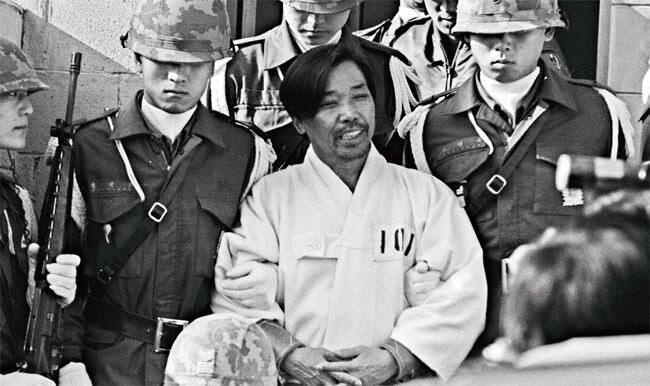
김재규(Kim Jae Kyu)
김재규(Kim Jae Kyu)
Majid Kavousifar 2007 Iran
Majid Kavousifar
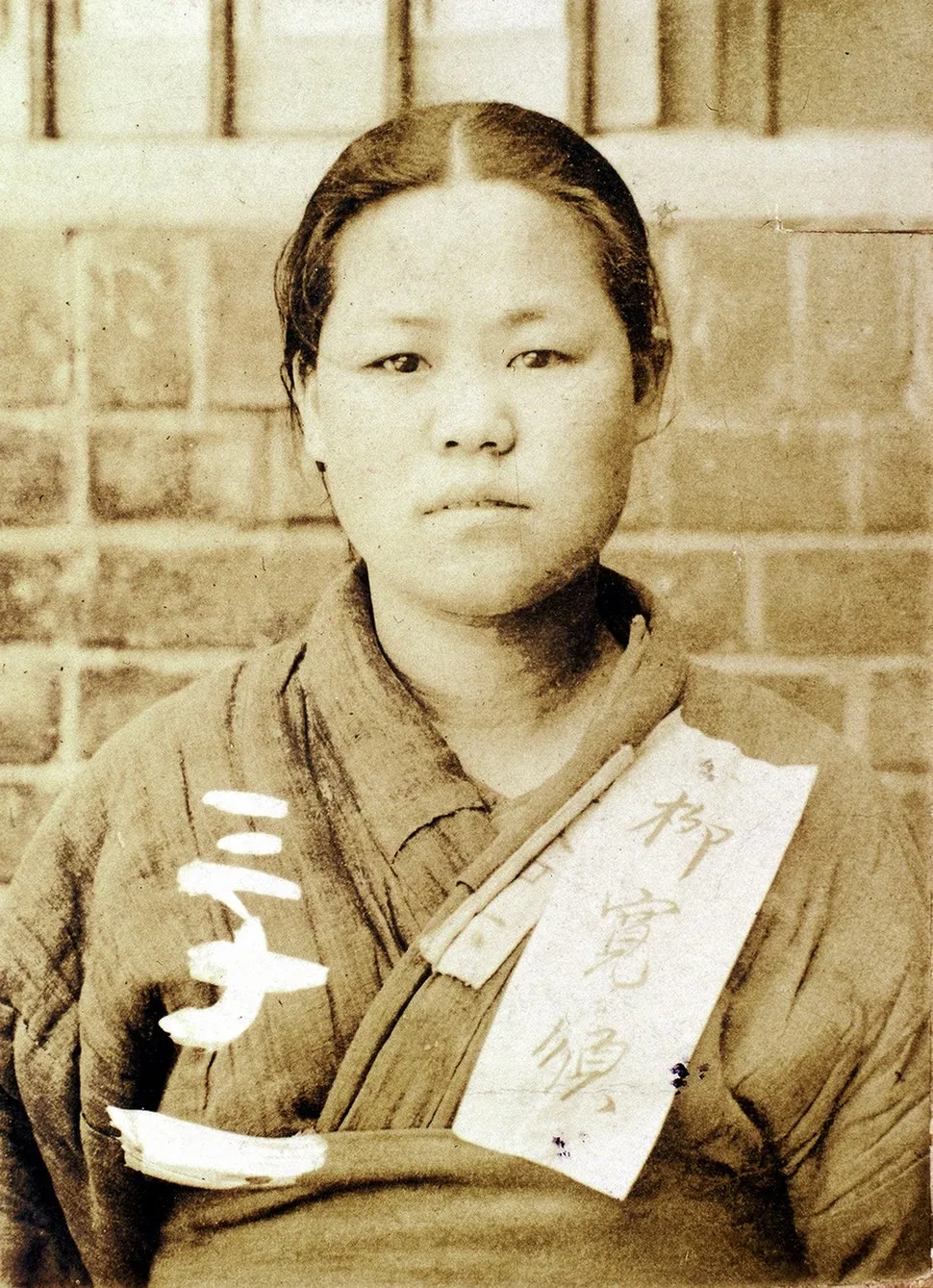
유관순(Yoo Gwan Soon)
유관순(Yoo Gwan Soon)
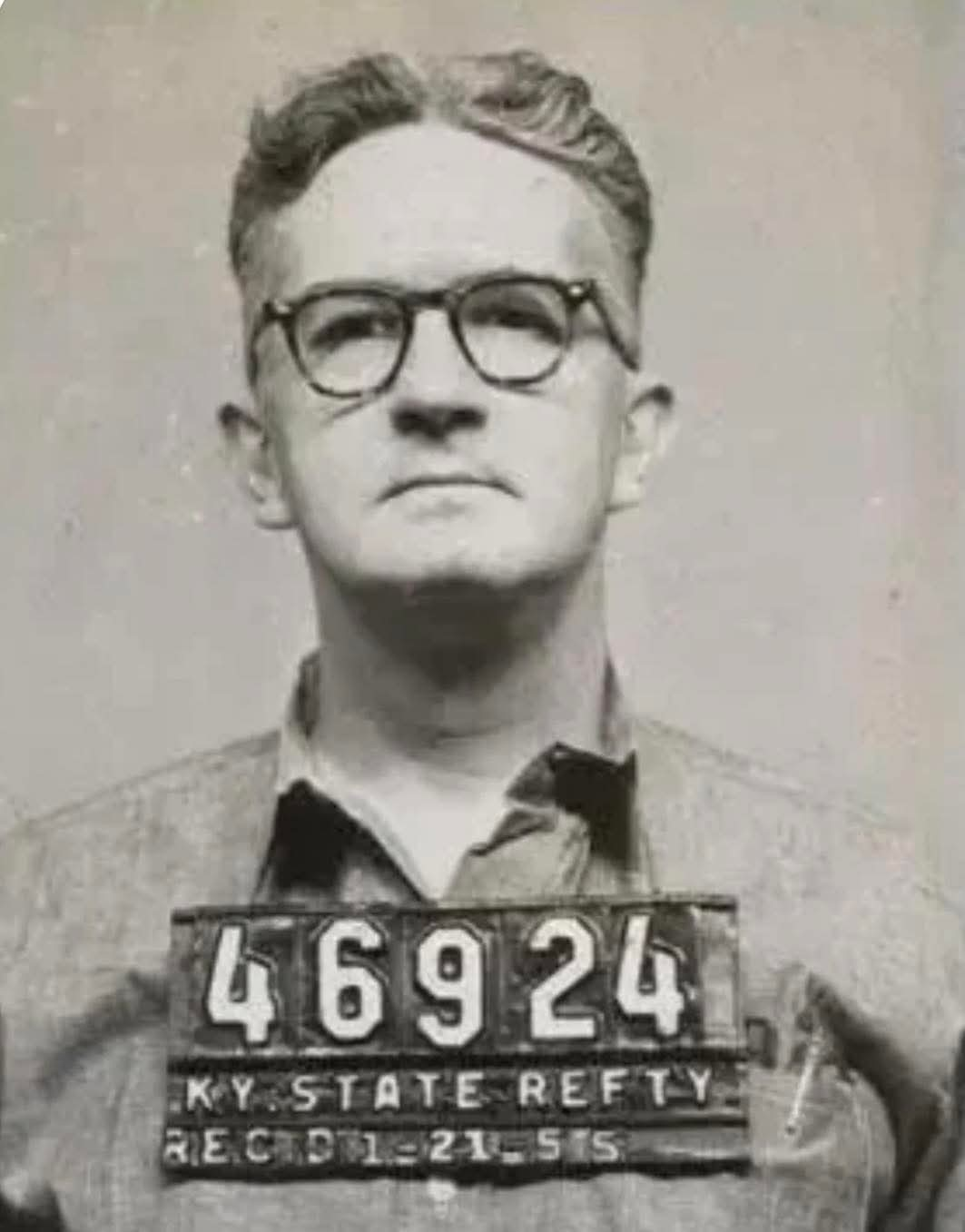
Carl Braden
Carl Braden
  • Li, Li! Do you think I am talking about jade and silk? Music, music! Do you think I am talking about bells and drums?
    子曰:「禮云禮云,玉帛云乎哉?樂云樂云,鐘鼓云乎哉?」 (陽貨, 17.11)
  • The Master said, "Bowing must be done before going up to the hall. That is Li. These days, bowing is done after climbing on the hall, which is arrogant. Against the general trend, I bow before going up the hall." 子曰:「拜下,禮也;今拜乎上,泰也。雖違眾,吾從下。」 (子罕, 9.3)
  • The Master said, "When modesty is not grounded on Li, it becomes slavish; when cautiousness is not grounded on Li, it becomes cowardly; when courage is not grounded on Li, it becomes disruptive; when honesty is not grounded on Li, it becomes a snare. " 子曰:「恭而無禮則勞,慎而無禮則葸,勇而無禮則亂,直而無禮則絞。」(8.2)
  • If your politeness is close to Li, you can avoid humiliation. 恭近於禮,遠恥辱也 (1.13)
  • The Master said, "If it is against Li, do not look, do not listen, do not talk, do not move." 子曰:「非禮勿視,非禮勿聽,非禮勿言,非禮勿動。」顏淵曰:「回雖不敏,請事斯語矣。」 (12.1)
  • The Master said, "When a noble man broadly learns civilisations and constrains himself with Li, he would not cross the line."
    子曰:「君子博學於文,約之以禮,亦可以弗畔矣夫!」 (6.27) (12.15)
  • Yan Yuan said, "... The Master effortlessly, naturally guide people. He broadens me with learning and he constrains me with Li ... "
    顏淵 ... 曰:「... 夫子循循然善誘人,博我以文,約我以禮。...」(9.11)
  • The Master said, "A noble man would have righteousness as his base. His behaviour will be in accordance with Li. He asserts himself politely. He completes his project reliably. Such is a noble man!" 
    子曰:「君子義以為質,禮以行之,孫以出之,信以成之。君子哉!」(15.18)

5. What are we bound by? Li (禮) or Xing (刑)?

  • Does law bind us? Why?
  • The Master said, "Noble persons know well what is right, the petty and the lowly know well what is beneficial." 子曰:「君子喻於義,小人喻於利。」(4.16)
  • J-J Rousseau, Du contrat social, (Liv. 1, Ch. 3, On the law of the strongest; Du droit du plus fort)
  • “The force is a physical power; I do not see what morality can result from its effects. To give in to the force is an act of necessity, not of volition; it is at most an act of prudence. In what sense can it be a duty? (La force est une puissance physique; je ne vois point quelle moralité peut résulter de ses effets. Céder à la force est un acte de nécessité, non de volonté ; c'est tout au plus un acte de prudence. En quel sens pourra-ce être un devoir? ...)
  • However, what is a law which perishes when the force stops. If one has to obey because of force, [that means] one does not need to obey because of duty; and if one is no longer forced to obey, one is no longer obliged to obey. You see that this word law adds nothing to the force. It has no meaning at all here. (Or, qu'est-ce qu'un droit qui périt quand la force cesse ? S'il faut obéir par force, on n'a pas besoin d'obéir par devoir ; et si l'on n'est plus forcé d'obéir, on n'y est plus obligé. On voit donc que ce mot de droit n'ajoute rien à la force ; il ne signifie ici rien du tout....)
  • Let us therefore agree that the force does not make law and that one only has an obligation to obey the legitimate powers and nothing else. (Convenons donc que force ne fait pas droit, et qu'on n'est obligé d'obéir qu'aux puissances légitimes.”)
  • The Master spoke of Gong Ye Chang (公冶長): "He is marriageable. Although he was imprisoned, it was not his fault." The Master gave his daughter to him in marriage. 子謂公冶長,「可妻也。雖在縲絏之中,非其罪也」。以其子妻之。(公冶長 5.1)
  • The Master said, "A noble man's standard is the whole world: nothing is correct, nothing is incorrect. Rightness goes with him." 子曰:「君子之於天下也,無適也,無莫也,義之與比。」(里仁 4.10)
  • Zi Gong asked, "If a person is liked by everyone in the village, how about him?" The master said, "Not quite." "If a person is hated by everyone in the village, how about him?" The Master said, "Not quite. It is not the same as being liked by the good people of the village and hated by the bad people of the village." 子貢問曰:「鄉人皆好之,何如?」子曰:「未可也。」「鄉人皆惡之,何如?」子曰:「未可也。不如鄉人之善者好之,其不善者惡之。」 (子路 13.24)
  • Scrates, Apologia, 39 : For neither in a trial nor in battle is it right that I or any one else should employ every possible means whereby he may avoid death; for in battle it is frequently evident that a man might escape death by laying down his arms, and throwing himself on the mercy of his pursuers. And there are many other devices in every danger, by which to avoid death, if a man dares to do and say every thing. But this is not difficult, O Athenians! to escape death; but it is much more difficult to avoid depravity, for it runs swifter than death. And now I, being slow and aged, am overtaken by the slower of the two; but my accusers, being strong and active, have been overtaken by the swifter, wickedness. And now I depart, condemned by you to death; but they condemned by truth, as guilty of iniquity and injustice: and I abide my sentence, and so do they. These things, perhaps, ought so to be, and I think that they are for the best.
  • Joseph Raz, "The Obligation to Obey: Revision and TraditionOpens in a new window", 1 Notre Dame J.L. Ethics & Pub. Pol'y 139 (1985)
    • "If there is ageneral obligation to obey the law, it exists because it was voluntarily undertaken."

6. Punishment (刑) v. Li (禮) , “rule of law”?

  • The Master said, ‘Govern people with politics and align them with punishments, they will evade and have no shame. Govern them with virtue and align them with Li they will have decency and things will be in the right place.’
    子曰:「道之以政,齊之以刑,民免而無恥;道之以德,齊之以禮,有恥且格。」 (為政, 2.3)
  • If names are not correct, the speech will be convoluted. If the speech is convoluted, tasks cannot be accomplished. If tasks are not accomplished, the Li and the Music will not flourish. If the Li and the Music do not flourish, punishments will be improperly administered. If punishments are improperly administered, people would not know where to stand. 名不正,則言不順;言不順,則事不成;事不成,則禮樂不興;禮樂不興,則刑罰不中;刑罰不中,則民無所措手足。」 (子路, 13.3)
  • Duke Ai asked, "What should I do to make people obey?" Confucius replied, "If you promote the upright to grind out the crooked, people will obey. If you promote the crooked to grind out the upright, people will not obey." 哀公問曰:「何為則民服?」孔子對曰:「舉直錯諸枉,則民服;舉枉錯諸直,則民不服。」 (爲政 2.19) (also see 顔淵 12.22) 錯=cù (grinding stone), cuò (to remove, to dismiss)
  • The Master said, "A noble man reflects upon virtue; the petty and the lowly reflect upon land. A noble man reflects upon punishment; the petty and the lowly reflect upon gift." 子曰:「君子懷德,小人懷土;君子懷刑,小人懷惠。」(4.11)
  • Li does not reach down to the ordinary people. Punishments do not reach up to the magnates. (Li Ji) 禮不下庶人,刑不上大夫 (禮記, 曲禮上 68) See Liu Yucai and Luke Habberstad, "The Life of a Text: a brief history of the Liji 禮記 and its transmission", Journal of Chinese Literature and Culture 1:1-2 (2014).
  • It was about that time that Confucius executed a magnate (大夫) Shao Zheng Mao for disrupting the politics. When the news of this manner of governing got around and three months have gone by, merchants selling mutton and porc were not inflating the price, men and women used different sides of the street, lost items remained untouched and visitors from everywhere got what they wanted from the officials without having to offer a bribe.  於是誅魯大夫亂政者少正卯。與聞國政三月,粥羔豚者弗飾賈;男女行者別於塗;塗不拾遺;四方之客至乎邑者不求有司,皆予之以歸。(史記 , 孔子世家 19)

Published on Categories ACLP

Rightness v. Benefit (義 v 利)

Confucius said, “A noble man finds joy in rightness, the petty and the lowly find joy in benefit.” (Lunyu, 4.16)
子曰:「君子喻於義,小人喻於利。」 (里仁, 4.16)

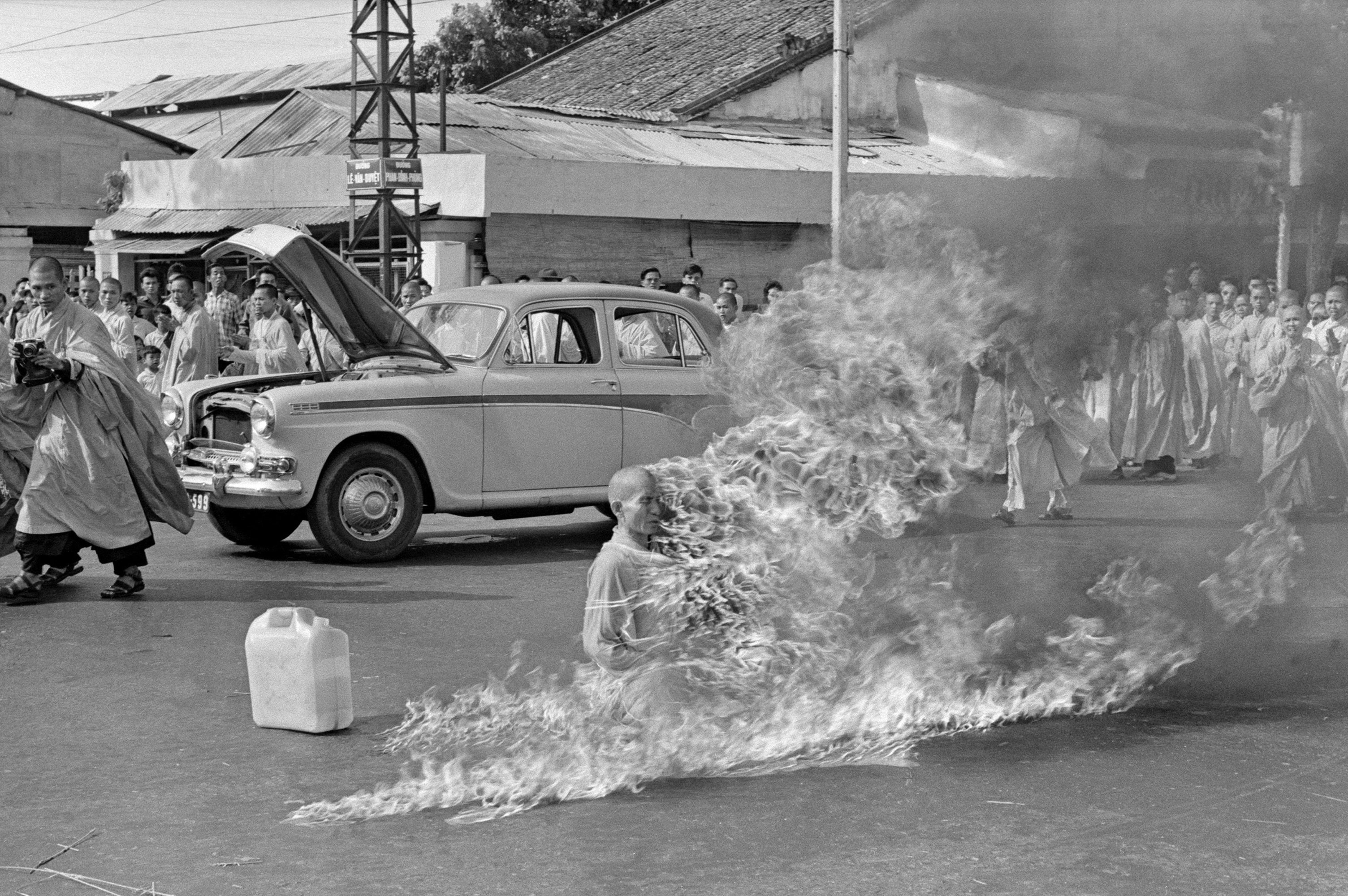
Thích Quảng Đức

Mengzi had audience with King Hui of Liang. The King said, “You did not consider thousands of milesto be a long distance and came all the way to see me. That means that you have something which would benefit my country.” Mengzi replied, “Why do you have to mention benefit? There is also ethical integrity and rightness. If the King would say, ‘How can I benefit my country?’ then magnats would say ‘How can I benefit my household?’ Ordinary citizens would say, ‘How can I benefit myself?’ If people of higher status and lower status invade each other to gain benefit, the country will be in a peril. The lord of a country with 10,000 chariots will be assassinated by a lord with 1,000 chariots. The lord of a country with 1,000 chariots will be assissinated by a lord with 100 chariots. Alternatively, a lord with 10,000 chariots will conquer a lord with 1,000 chariots. A lord with 1,000 chariots will conquer a lord with 100 chariots. Such events would not be rare. If you put benefit before rightness, you would keep grabbing others’ shares. He who has ethical integrity has never abandoned his parents. He who has rightness has never treated his ruler as being of secondary importance. The King should also talk about ethical integrity and rightness. Why do you mention benefit? (Mengzi, Liang Hui Wang I)
孟子見梁惠王。王曰:「叟不遠千里而來,亦將有以利吾國乎?」
孟子對曰:「王何必曰利?亦有仁義而已矣。王曰『何以利吾國』?大夫曰『何以利吾家』?士庶人曰『何以利吾身』?上下交征利而國危矣。萬乘之國弒其君者,必千乘之家;千乘之國弒其君者,必百乘之家。萬取千焉,千取百焉,不為不多矣。苟為後義而先利,不奪不饜。未有仁而遺其親者也,未有義而後其君者也。王亦曰仁義而已矣,何必曰利?」 (맹자, 양혜왕 상, 1.1)

Confucius said, “If you pursue benefit in your conduct, you will attract a lot of grievances.”
子曰:「放於利而行,多怨。」 (里仁, 4.12)

Ethical integrity and Benefit (仁 and 利)

Confucius said, “Those who do not have ethical integrity cannot remain bound by ethics for long. They cannot remain joyfully bound by ethics for long. Those who have ethical integrity are at peace with ethics. Wise people derive benefit from their ethical integrity.
子曰:「不仁者不可以久處約,不可以長處樂。仁者安仁,知者利仁。」 (里仁, 4.2)

The Master said, ‘Delighted is a man of wisdom, like free-flowing water. Delighted is a man of ethical integrity, like a majestic mountain. A man of wisdom is dynamic. A man of ethical integrity is serene. A man of wisdom is full of joy. A man of ethical integrity lasts long.’
子曰:「知者樂水,仁者樂山;知者動,仁者靜;知者樂,仁者壽。」 (雍也, 6.23)

Futile efforts?

Zilu was spending a night at Shi Men. The gatekeeper asked him, "Where do you come from?". Zilu replied, "I am with Mr Kong." The gatekeeper said, "You mean, the guy who does things knowing that they are not feasible?"
子路宿於石門。晨門曰:「奚自?」子路曰:「自孔氏。」曰:「是知其不可而為之者與?」 (憲問, 14.38)

‘Objective’ recognition?

‘People don’t understand you and you don’t mind; you sure are a noble man!’
人不知而不慍,不亦君子乎? (學而, 1.1)

‘Do not worry if others do not understand you; you should worry if you do not understand others.’
子曰:「不患人之不己知,患不知人也。」 (學而, 1.16)

Zi Gong asked? "If a person is liked by everyone in the village, how about him?" The master said, "That is not enough." "If a person is hated by everyone in the village, how about him?" The Master said, "That is not enough. It is better to be liked by the good people of the village and hated by the bad people of the village."
子貢問曰:「鄉人皆好之,何如?」子曰:「未可也。」「鄉人皆惡之,何如?」子曰:「未可也。不如鄉人之善者好之,其不善者惡之。」 (子路, 13.24)

The master said, ‘A noble man’s standard is the whole world. Nothing is correct, nothing is incorrect. He abides only by the rightness.’
子曰:「君子之於天下也,無適也,無莫也,義之與比。」 (里仁, 4.10)

‘Genuine heart’, unconcerned by social pressure or censure.

Lin Fang asked about the root of Li. The Master said, ‘Great question! Regarding Li, you should rather be frugal than splashing out. Regarding funeral, you should rather have a genuine sentiment of poignancy than nicely decorating the graves.
林放問禮之本。子曰:「大哉問!禮,與其奢也,寧儉;喪,與其易也,寧戚。」 (八佾, 3.4)

People start to cut grass around the grave only recently.
易墓,非古也。(예기, 단궁 55) (易=芟治草木; 삼치초목) 벌초를 하고 묘를 가꾸는 일은 오래된 일이 아니다. (최근 와서 사람들이 ‘외형’에 치중하게 되었다는 비판)

Zilu said, ‘I heard the master say thus, “Regarding funeral, having enough provisions to abide by li without having enough sadness, is not as good as having enough sadness without having enough provisions to abide by li. Regarding ancestral ceremony, having enough provisions to abide by li without having enough respect for the dead, is not as good as having enough respect for the dead without having enough provisions to abide by li. (Li ji, Dan Gong 56)
子路曰:「吾聞諸夫子:喪禮,與其哀不足而禮有餘也,不若禮不足而哀有餘也。祭禮,與其敬不足而禮有餘也,不若禮不足而敬有餘也。」 (단궁 56)

‘Subjectivity’, conviction (groundless or proper)

The Master said, ‘A man of wisdom is not distracted by doubts, a man of ethical integrity is not plagued by worries, a man of courage is not shriveled by fear.’
子曰:「知者不惑,仁者不憂,勇者不懼。」 (子罕, 9.29)

The Master said, ‘You may learn together but you may not choose the right path together. Perhaps you may choose the right path together but you may not achieve the goal together. Perhaps you may even achieve your goal together, but you cannot make judgment together.’
子曰:「可與共學,未可與適道;可與適道,未可與立;可與立,未可與權。」 (子罕, 9.30)

Unsupported thought

Guan Yin Zi said, ‘Judgment of the petty and the lowly results in evil; judgment of a noble man results in good; judgment of a saint results in no gain. Only when your judgment leads to no gain will you be practicing the Dao.’ (Wen Shi Zhen Jing)
關尹子曰:「小人之權,歸于惡;君子之權,歸于善;聖人之權,歸于無所得。惟無所得,所以為道。」
소인의 판단은 악한 결과로 귀결되고, 군자의 판단은 선한 결과로 귀결되며, 성인의 판단은 아무런 이득이 없는 것으로 귀결한다. 아무런 이득이 없는 것만이 도를 행하는 것이다. (《文始真經·一宇》 도교 5대 경전 중 하나)

Bodhisattva should produce ‘an unsupported thought, …a thought unsupported by sights, sounds, smells, tastes, touchables or mind-objects.’ — The Diamond Sutra, ch. 10c (Edward Conze, Buddhist Wisdom Books, pp. 47-48).

Defeatism? Escapism? Or courageous engagement ?

人不知而不慍,不亦君子乎?

知者不惑,仁者不憂,勇者不懼。

Published on Categories ACLP

1. Un homme sensible, lui

Confucius was mourning Zilu’s death at the courtyard of the house. A person arrived to show respect to the dead. Confucius greeted him. After the mourning (ceremonial wailing) was finished, Confucius asked what happened. The person answered, “They pickled his body.” Having heard this, Confucius ordered the servant to throw away pickles. (Liji, Tan Gong I, 7)
孔子哭子路於中庭。有人吊者,而夫子拜之。既哭,進使者而問故。使者曰:「醢(해)之矣。」 遂命覆醢 (禮記, 檀弓上 7)

Yan Yuan died. The Master said, ‘O! Heaven is forsaking me! Heaven is forsaking me!’ (Lunyu, 11.9)
顏淵死。子曰:「噫!天喪予!天喪予!」 (Lunyu 11.9)

Yan Yuan died. The Master wailed in great grief. The attendants said, ‘Sir, you grieve greatly.’ ‘Do I?’ said the Master. ‘If his loss does not cause grief, what will?’ (Lunyu 11.10)
顏淵死,子哭之慟。從者曰:「子慟矣。」 曰:「有慟乎?非夫人之為慟而誰為!」 (Lunyu 11.10)

[...] After circling around, the birds came down and gathered together. The Master said, “Nice pheasants! Right time! Right time!” Zilu served him the bird. Three times he sniffed the dish, then he rose.
色斯舉矣,翔而後集。曰:「山梁雌雉,時哉!時哉!」子路共之,三嗅而作。(Lunyu 10.18)

[In preparing ceremonial offerings] The dishes are not fully cooked, the elaborately piled meat is not to be tasted. They are to be sniffed three times and not eaten. (Xun Zi, Li Lun 11)
利爵之不醮(=盡)也,成事之俎不嘗也,三臭之不食也,一也。(荀子, 禮論 11)

Then one day accompanied by some worthy sons of his father’s ministers, friends full of varied converse, — with a desire to see the glades of the forest and longing for peace, he went out with the king’s permission. Having mounted his good horse Kaṁthaka, decked with bells and bridle-bit of new gold, with beautiful golden harness and the chowrie waving, he went forth like the moon mounted on a comet. Lured by love of the wood and longing for the beauties of the ground, he went to a spot near at hand on the forest-outskirts; and there he saw a piece of land being ploughed, with the path of the plough broken like waves on the water. Having beheld the ground in this condition, with its young grass scattered and torn by the plough, and covered with the eggs and young of little insects which were killed, he was filled with deep sorrow as for the slaughter of his own kindred. And beholding the men as they were ploughing, their complexions spoiled by the dust, the sun’s rays, and the wind, and their cattle bewildered with the burden of drawing, the most noble one felt extreme compassion. Having alighted from the back of his horse, he went over the ground slowly, overcome with sorrow, — pondering the birth and destruction of the world, he, grieved, exclaimed, ‘this is indeed pitiable.’ (Ashvaghosha, Buddhacarita, 5.2 - 5.7)

Zi Gong wanted to discontinue the killing of a lamb for the monthly sacrifice. The Master said, "Si, you cherish the lamb. I cherish the Li." 子貢欲去告朔之餼羊。子曰:賜也 爾愛其羊 我愛其禮 (八佾, 3.17)

2. Under-privileged, progressive

Confucius lost his father when he was young. Confucius did not know where his father’s grave is located. [When Confucius’s mother died] he placed (his mother's) coffin in the street of Wu-fu. Those who saw it all thought that it was to be interred there. It was prepared very carefully but it was (only) a coffin. By inquiring of the mother of Man-fu of Chu, Confucius managed to bury his mother in the same grave (with his father) at Fang. (Liji, Tan Gong I, 10)
孔子少孤,不知其墓。殯於五父之衢。人之見之者,皆以為葬也。其慎也,蓋殯也。問於郰曼父之母,然後得合葬於防。(禮記, 檀弓上 10) (郰人之子=Confucius)

A high ranking official asked Zi Gong, ‘Is it true that your teacher is a Saint? How come he is good at so many things?’ Zi Gong said, ‘The Heaven originally ordained him as a Great Saint. He has many talents as well.’ The Master heard this and said, ‘The high ranking official surely knows me. When I was young, I was lowly. That’s why I am good at many mundane jobs. Is a noble man good at many things? No, he is not.’ (Lunyu, 9.6)
大宰問於子貢曰:「夫子聖者與?何其多能也?」子貢曰:「固天縱之將聖,又多能也。」子聞之,曰:「大宰知我乎!吾少也賤,故多能鄙事。君子多乎哉?不多也。」 (子罕 9.6)

The Master said, ‘The progressive ones in matters of Li and music are those from the countryside. The less progressive ones in matters of Lˇ and music are from the nobility. In using Li and music, I am in the train of the progressive ones.’ (Lunyu, 11.1)
子曰:「先進於禮樂,野人也;後進於禮樂,君子也。如用之,則吾從先進。」 (先進 11.1)

The Master wanted to live among the nine barbarian tribes. Someone said, ‘Squalid out there, wouldn’t it?’ The Master said, ‘Where a noble man dwells, how can there be anything squalid?’ (Lunyu, 9.14)
子欲居九夷。或曰:「陋,如之何!」子曰:「君子居之,何陋之有?」 (子罕 9.14)

3. 'Wide' circle of friends

A friend of Confucius died. But the deceased had no one who would give a funeral. Confucius said, ‘We will have the coffin in my house.’ (Lunyu, 10.15)
朋友死,無所歸。曰:「於我殯。」 (논어, 향당 10.15)

4. Fine taste

Over a dark costume, he would wear a black lamb skin coat; over a white costume, he would wear a deer skin coat; over a brown costume, he would wear a fox skin coat. (Lunyu, 10.6)
緇(치=black)衣羔裘(고구=흑염소털옷),素衣麑裘(흰사슴털옷),黃衣狐裘(여우털옷) (鄉黨 10.6)

He didn't hate finely milled rice and thinly sliced meat. ... When the color was bad, he would not eat. When the smell was bad, he would not eat. When the dish is over-cooked, he would not eat. When it is not the right time, he would not eat. When it was not neatly cut, he would not eat. When it was not properly seasoned, he would not eat. (Lunyu, 10.8)
食不厭精,膾不厭細 … 色惡,不食。臭惡,不食。失飪(=over-cooked),不食。不時,不食。割不正,不食。不得其醬,不食 (鄉黨 10.8)

If the seating is not properly arranged, he would not sit. (Lunyu 10.9)
席不正,不坐。(鄉黨 10.9)

Even when there is plenty of meat, he would not let his appetite win over him. But he drank like a whale. He would not, however, go out of control.
肉雖多,不使勝食氣。惟酒無量,不及亂。(鄉黨 10.8)

Except for funerals, he would always wear jewellery.  去喪,無所不佩 (鄉黨 10.6)

Yan Yuan died. Yan Lu inquired whether the Master could sell his carriage to pay for the outer coffin. The Master said, ‘This is not about money. It is about one’s son. When Li died, he was buried in a coffin without an outer coffin. I did not go on foot in order to have the outer coffin. As I am in the train of dignataries, I could not go on foot.’ (Lunyu, 11.8)
顏淵死,顏路請子之車以為之椁。子曰:「才不才,亦各言其子也。鯉也死,有棺而無椁。吾不徒行以為之椁。以吾從大夫之後,不可徒行也。」 (先進 11.8)

5. Awkward meetings

The Master had an audience with Nan Zi (南子). Zi Lu was not pleased. Conficius solemnly swore and said, "If I did something inappropriate, Heaven will loathe it. Heaven will loathe it!'
子見南子,子路不說。夫子矢之曰:「予所否者,天厭之!天厭之!」 (雍也, 6.28)

6. Knows what really matters

The stable was burnt down. He came home from the court. He said, ‘Was anybody hurt?’ He did not ask about the horse. (Lunyu, 10.12)
廄(구)焚。子退朝,曰:「傷人乎?」 不問馬。(鄉黨 10.12)

Compare it with 11.8

7. Reformist

The Master said, ‘Sayings of the proper law – can you ignore them? Reforming them, however, is more precious. Sayings offered by way of a praise – can you not feel happy? Sift through them, however, is more precious. To be happy without sifting through the praise, to conform without reforming – I don’t know how one can do that.’ (Lunyu, 9.24)
子曰:「法語之言,能無從乎?改之為貴。巽與之言,能無說乎?繹之為貴。說而不繹,從而不改,吾末如之何也已矣。」 (子罕 9.24)

Also see 11.1

8. Icon of rebellion

The Master spoke of Gong Ye Chang (公冶長): "He is marriageable. Although he was imprisoned, it was not his fault." The Master gave his daughter to him in marriage.
子謂公冶長,「可妻也。雖在縲絏之中,非其罪也」。以其子妻之。(公冶長 5.1)

Kong Qiu plans thoroughly to conspire and to support rebels. He works diligently and has a great deal of knowledge. But he use it to carry out evil deeds and to incite the subordinates to topple the superiors. He instigates the ministers to assassinate their ruler. This is not a wise man's conduct. When he visits a dukedom, he sides with the rebels. This is not an upright man's conduct. When he senses that people no longer have loyalty to the ruler, he encourages a rebellion. This is neither good nor right. Even after he flees, he still plans, schemes and spread bad words behind the back of a ruler. He may think that he is doing the right thing. But in the eyes of the people, what he does is confusing. Rulers and ministers may not adopt what he plans and prepares to carry out. (Mozi 墨子, 非儒下, 8)

Similar accounts are found at 史記, 孔子世家 10 and 晏子春秋, 外篇下.

Now that Your Highness has unified the whole world, you have the exclusive authority to determine right and wrong. There are still groups of people who purport to learn and criticise the law and the orders of the government. They purport to interpret the commandment according to their own learning (學). At home, they are full of discontent about the government. Outside, they are busying themselves here and there discussing their strategies. They obtain fame by showing off to a ruler. They embellish their status with sophistry. If this is not banned, Your Highness' authority will be weakened and factions will emerge. They should be banned.

Let the Records Officer burn all records other than the official records of Qin. Collected Poems, Documents and various other texts except the texts in the possession of Propaganda Officers must all be burned. Afterwards, those who gather together to discuss the Poems and the Documents should be executed in the marketplace. Those who criticise the current affairs referring to old histories (以古非今者) should be killed together with their family members. Those who do not burn such books within 30 days should be tattooed and sent to the frontiers to forced labour. The books which are exempt from destruction are those on medicine, pharmacy, divination, seeds and trees. Those wishing to learn the law should learn it from officials. 史記, 秦始皇本紀, 38 (213 BCE) 진시황34년(기원전213): 이사(李斯)

9. Supreme being

The Master was freed from the following four: prejudice, imperative, inflexibility and self-importance. (Lunyu, 9.4)
子絕四:毋意,毋必,毋固,毋我。(子罕 9.4)

What we conjecture in our mind, we call it 意. What remains of the 意, we call it 志 (黃帝內經, 靈樞經, 本神, 2 心有所憶謂之意;意之所存謂之志).

Published on Categories ACLP

1. 위법성 (iniuria)

살해되었다는 것만으로 충분한게 아니라, 위법하게 살해되었을 것을 요한다. (Dig.9.2.4pr.)
non enim sufficit occisum, sed oportet iniuria id esse factum.

정당방위

그러나 칼을 들고 공격해오는 자를 살해하는 것은 위법하게 살해한 것으로 볼 수 없다. 그리고 죽을까봐 두려워 도둑을 살해한 경우에도 아킬리우스법에 의율되지 않는다는 것은 의문이 없다. 그러나 체포할 능력이 있는데도 죽이고 싶어서 도둑을 살해한 경우에는 위법하게 살해한 것으로 보는 것이 더 타당할 것이다(Dig.9.2.5pr.)
Sed et si quemcumque alium ferro se petentem quis occiderit, non videbitur iniuria occidisse: et si metu quis mortis furem occiderit, non dubitabitur, quin lege aquilia non teneatur. sin autem cum posset adprehendere, maluit occidere, magis est ut iniuria fecisse videatur

달리 자신을 보호할 방법이 없어서 상대방에게 손해나 상해를 가한 자는 잘못을 저지른게 아니다. 어떤 법률이나 법체계에서도 폭력을 폭력으로 방어하는 것은 허용된다. 하지만 폭력으로 공격해 오는 자를 상대로 해서만, 그리고 자신을 방어하는데 필요한 한도에서만 허용되는 것이지 그자를 응징하고자 폭력을 동원하는 것은 허용되지 않는다. Dig.9.2.45.4 (Paulus 10 ad sab. Qui, cum aliter tueri se non possent, damni culpam dederint, innoxii sunt: vim enim vi defendere omnes leges omniaque iura permittunt... illum enim solum qui vim infert ferire conceditur, et hoc, si tuendi dumtaxat, non etiam ulciscendi causa factum sit.)

정당한 체벌의 한계(?)

신발제작자가 자유인 자녀인 견습생이 시킨일을 제대로 하지 못한다는 이유로 신발본으로 목덜미를 때려 안구가 빠져나온 경우, 율리아누스는 위법한 의도로 가격한 것이 아니라 훈계와 교육의도로 행해진 일이므로 모욕죄로 의율할 수는 없다고 보았고, 훈육자에게는 가벼운 수준의 체벌만이 허용되기는 하나 고용계약상의 주의의무 위반을 이유로 손해배상을 구할 수 있을지 여부가 애매하다고 보았다. 그러나, 아킬리우스 법에 기하여 제소할 수 있음은 의문이 없다. 훈육자의 과도한 난폭함은 과실로 보아야 한다. Dig.9.2.5.3 - Dig. 9.2.6 (Ulpianus 18 ad ed. sutor, inquit, puero discenti ingenuo filio familias, parum bene facienti quod demonstraverit, forma calcei cervicem percussit, ut oculus puero perfunderetur. dicit igitur iulianus iniuriarum quidem actionem non competere, quia non faciendae iniuriae causa percusserit, sed monendi et docendi causa: an ex locato, dubitat, quia levis dumtaxat castigatio concessa est docenti: sed lege aquilia posse agi non dubito: (Paulus 22 ad ed.) Praeceptoris enim nimia saevitia culpae adsignatur.)

2. 책임능력

광인이 가해행위를 한 경우에 아퀼리우스법에 의율할 수 있는지에 대해서, 페가수스는 "제 정신이 아닌데 어떻게 그자의 잘못이라 하겠는가?"라면서 이를 부인하였다. 이건 아주 옳은 말이다. Dig.9.2.5.2 (Ulpianus 18 ad ed. si furiosus damnum dederit, an legis aquiliae actio sit? et pegasus negavit: quae enim in eo culpa sit, cum suae mentis non sit? et hoc est verissimum.)

7세를 넘은 애가 가해행위를 한 경우, 라베오는 절도의 경우에 책임을 져야하는 것과 마찬가지로 아퀼리우스법에 따라 책임을 져야한다고 하는데, 애가 옳고 그름을 변식할 능력이 있다면 그 말이 맞다. Dig.9.2.5.2 (Ulpianus 18 ad ed. quodsi impubes id fecerit, labeo ait, quia furti tenetur, teneri et aquilia eum: et hoc puto verum, si sit iam iniuriae capax.)

3. "직접성" (si quis corpore suo damnum dederit)

직접 살해한 것인지, 사망원인을 제공한데 그친 것인지를 구분하는 것은 매우 중요하다고 켈수스는 설명한다. 사망원인 제공에 그친 경우에는 아퀼리우스법이 아니라 사실소명소권(actio in factum)으로 제소해야 한다. 예를 들어, 독약을 약인듯 건네주어 사망원인을 제공한 경우, 광인에게 칼을 건네주는 것과 마찬가지로 아퀼리우스법이 아니라 사실소명소권으로 처리해야 한다. Dig.9.2.7.6 (Ulpianus 18 ad ed. Celsus autem multum interesse dicit, occiderit an mortis causam praestiterit, ut qui mortis causam praestitit, non aquilia, sed in factum actione teneatur. unde adfert eum qui venenum pro medicamento dedit et ait causam mortis praestitisse, quemadmodum eum qui furenti gladium porrexit: nam nec hunc lege aquilia teneri, sed in factum.)

산파가 준 약으로 산모가 사망한 경우, 라베오는 산파가 자기 손으로 직접 그 약을 산모에게 먹인 경우에는 살해에 해당하고, 약을 건네주어 산모 스스로가 투약한 경우에는 사망원인 제공에 해당한다고 구분하였는데, 이 견해가 옳다. Dig.9.2.9pr. (Ulpianus 18 ad ed. Item si obstetrix edicamentum dederit et inde mulier perierit, labeo distinguit, ut, si quidem suis manibus supposuit, videatur occidisse: sin vero dedit, ut sibi mulier offerret, in factum actionem dandam, quae sententia vera est.)

피해자를 다리 밑으로 떠밀어 떨어뜨린 경우, 떨어지는 충격으로 사망하건, 즉시로 익사하건, 물결에 지쳐 탈진한 나머지 사망하건 가릴것 없이 아퀼리우스법에 의율해야 한다고 켈수스는 보았다. 애를 바위에 떠밀어 부딪혀 죽게한 경우와 같다.Dig.9.2.7.7 (Ulpianus 18 ad ed. Sed si quis de ponte aliquem praecipitavit, celsus ait, sive ipso ictu perierit aut continuo submersus est aut lassatus vi fluminis victus perierit, lege aquilia teneri, quemadmodum si quis puerum saxo inlisisset.)

4. "Thin skull" 문제?

쇠약한 노예를 가볍게 가격하였음에도 사망한 경우, 라베오는 아퀼리우스법에 의율해야 한다고 했고 이것이 옳다. 무엇이 치명적인지는 사람마다 다르기 때문이다. Dig.9.2.7.5 (Ulpianus 18 ad ed. Sed si quis servum aegrotum leviter percusserit et is obierit, recte labeo dicit lege aquilia eum teneri, quia aliud alii mortiferum esse solet.)

5. '과실'

적정 부하 이상으로 물건을 적재해서 가다가 그 물건이 쏟아져 내려 노예가 거기 깔려 사망한 경우, 아퀼리우스법에 의율해야 한다. 그렇게 과적하지 말지여부는 자신의 판단이었기 때문이다. 짐을 싣고가다가 미끌어져서 짐이 쏟아져내리고 다른 사람의 노예가 거기에 깔려 사망한 경우, 페가수스는 적정 부하 이상으로 과적했거나, 미끄러운 곳을 방만하게 다니다가 그렇게 된 경우에는 아퀼리우스법에 의율해야 한다고 한다. Dig.9.2.7.2 (Ulpianus 18 ad ed. Sed si quis plus iusto oneratus deiecerit onus et servum occiderit, aquilia locum habet: fuit enim in ipsius arbitrio ita se non onerare. nam et si lapsus aliquis servum alienum onere presserit, pegasus ait lege aquilia eum teneri ita demum, si vel plus iusto se oneraverit vel neglegentius per lubricum transierit.)

의사가 노예를 서툴게 절개한 경우, 임계약 상의 소송을 제기하거나 아퀼리우스법에 따른 소송을 제기할 수 있다. Dig.9.2.7.8 (Ulpianus 18 ad ed. Proculus ait, si medicus servum imperite secuerit, vel ex locato vel ex lege aquilia competere actionem.)

약을 잘못 쓴 경우나, 수술은 잘 해놓고 사후 간호를 소홀히 한 경우도 마찬가지이다. 과실이 있는 것으로 인식되며 면책되지 않는다. 나귀를 부리는 자가 경험이 미숙하여 나귀를 제어하지 못하여 남의 노예가 깔린 경우, 나귀를 부리는 자에게 과실이 있는 것으로 흔히 이야기 된다. 힘이 없어서 나귀를 제대로 제어하지 못한 경우에도 같이 본다. 허약함을 과실로 취급하는 것이 부당하지 않은 이유는 자신의 허약함이 타인에게 위험을 야기한다는 점을 알거나 알아야 할 경우에는 일을 함부로 맡지 않아야 하기 때문이다. 경험이 없거나 허약하여 자신이 타고 가는 말을 제어하지 못한 자의 경우에도 같다. Dig.9.2.8 (Gaius 7 ad ed. provinc. Idem iuris est, si medicamento perperam usus fuerit. sed et qui bene secuerit et dereliquit curationem, securus non erit, sed culpae reus intellegitur. mulionem quoque, si per imperitiam impetum mularum retinere non potuerit, si eae alienum hominem obtriverint, volgo dicitur culpae nomine teneri. idem dicitur et si propter infirmitatem sustinere mularum impetum non potuerit: nec videtur iniquum, si infirmitas culpae adnumeretur, cum affectare quisque non debeat, in quo vel intellegit vel intellegere debet infirmitatem suam alii periculosam futuram. idem iuris est in persona eius, qui impetum equi, quo vehebatur, propter imperitiam vel infirmitatem retinere non poterit.)

창던지기 게임을 하는자가 던진 창에 타인의 노예가 맞아 죽은 경우, 아퀼리우스법에 의율한다. Dig.9.2.9.4 (Ulpianus 18 ad ed. Sed si per lusum iaculantibus servus fuerit occisus, aquiliae locus est)
위험한 게임을 하는 것 자체가 과실에 해당한다. Dig.9.2.10 (Paulus 22 ad ed. Nam lusus quoque noxius in culpa est.)

그러나, 사람들이 이미 창던지기를 하고 있는 벌판에 노예가 걸어들어간 경우에는 아퀼리우스법에 의한 소송의 여지가 없다. 창던지기를 하고 있는 벌판으로 무모하게 들어가서는 안되기 때문이다. Dig.9.2.9.4 (sed si cum alii in campo iacularentur, servus per eum locum transierit, aquilia cessat, quia non debuit per campum iaculatorium iter intempestive facere.)

6. 인과관계

(공모 여부에 좌우될까?): 여러명이 들보를 같이 내던져 노예가 깔려죽은 경우, 옛 법률가들은 행위자 전부가 아퀼리우스법에 의율된다(=살해 책임을 진다)고 보았다. Dig.9.2.11.4 (Ulpianus 18 ad ed. Si plures trabem deiecerint et hominem oppresserint, aeque veteribus placet omnes lege aquilia teneri.)

여러 사람이 노예를 가격하여 노예가 죽은 경우, 모두가 노예살해에 대한 책임을 지는지 살펴보자. 누구의 가격으로 사망하였는지가 분명하면 그 자만이 살해에 대한 배상책임을 지지만, 분명하지 않은 경우에는 모두가 살해에 대한 배상책임을 진다고 율리아누스는 설명한다. Dig.9.2.11.2 (Ulpianus 18 ad ed. Sed si plures servum percusserint, utrum omnes quasi occiderint teneantur, videamus. et si quidem apparet cuius ictu perierit, ille quasi occiderit tenetur: quod si non apparet, omnes quasi occiderint teneri iulianus ait.)

켈수스에 의하면, 어떤자가 노예에게 치명타를 가한 후에 다른 어떤자가 그 노예의 숨통을 끊은 경우에 전자는 살해책임을 지는 것이 아니라 상해책임을 지게되는데, 그 이유는 다른자에 의해서 살해되었기 때문이고, 후자는 살해책임을 진다고 보았다. 마르첼루스도 이렇게 보았는데, 이 견해가 타당한 것으로 보인다. Dig.9.2.11.3 (Ulpianus 18 ad ed. Celsus scribit, si alius mortifero vulnere percusserit, alius postea exanimaverit, priorem quidem non teneri quasi occiderit, sed quasi vulneraverit, quia ex alio vulnere periit, posteriorem teneri, quia occidit. quod et Marcello videtur et est probabilius.)

누가 노예에게 치명상을 가한 후에 그 노예가 건물에 깔려죽거나, 배가 침몰해서 죽거나 다른자의 가격으로(alio ictu) 사망이 앞당겨진 경우, 치명상을 가한 자에게 살해책임을 물을 수는 없다. 그러나 치명상을 입은 노예가 해방되거나 매도된 후에 그 상해로 사망한 경우에는 가해자에게 살해책임을 물을 수 있다고 율리아누스는 설명한다. 이렇게 차이가 나는 이유는 후자의 경우에는 치명상을 가하는 시점에 살해행위가 이루어졌음이 나중에 그 노예가 사망함으로써 분명하게 되는 반면에, 전자의 경우에는 건물의 붕괴등 때문에 가해자가 과연 살해했다고 볼 수 있는지 여부가 분명하지 않기 때문이다. Dig.9.2.15.1 (Ulpianus 18 ad ed. Si servus vulneratus mortifere postea ruina vel naufragio vel alio ictu maturius perierit, de occiso agi non posse, sed quasi de vulnerato, sed si manumissus vel alienatus ex vulnere periit, quasi de occiso agi posse iulianus ait. haec ita tam varie, quia verum est eum a te occisum tunc cum vulnerabas, quod mortuo eo demum apparuit: at in superiore non est passa ruina apparere an sit occisus.)

누군가 노예에게 치명타를 가해서 그로 인해 죽을 것이 확실한 상황에서 그 노예가 상속인으로 지명되었는데 그 후에 다른자로부터 또 가격 당한 상태에서(ab alio ictus) 사망한 경우, 두 가격자 모두를 상대로 아퀼리우스법에 따른 살해책임을 물을 수 있는지? ... 누군가 노예에게 치명사를 가하고, 얼마 후에 다른자가 그 노예를 가격해서 처음 가격당해서 죽었을 것보다 더 빨리 죽게 한 경우 두 가격자 모두 아퀼리우스법상 살해책임을 져야 한다. 이런 결론은 여러명이 노예를 가격해서 누구의 가격으로 사망하였는지 불분명할 경우 가격자 모두가 살해책임을 져야한다고 과거법률가들이 설명한데서 도출된다. Dig.9.2.51pr. Dig.9.2.51.1 (Iulianus 86 dig. Ita vulneratus est servus, ut eo ictu certum esset moriturum: medio
deinde tempore heres institutus est et postea ab alio ictus decessit: quaero, an cum utroque de occiso lege aquilia agi possit... igitur si quis servo mortiferum vulnus inflixerit eundemque alius ex intervallo ita percusserit, ut maturius interficeretur, quam ex priore vulnere moriturus fuerat, statuendum est utrumque eorum lege aquilia teneri. Idque est consequens auctoritati veterum, qui, cum a pluribus idem servus ita vulneratus esset, ut non appareret cuius ictu perisset, omnes lege aquilia teneri iudicaverunt.)

7. 손해

하지만 노예의 가치가 감소하거나 손상된 바 없다면 아퀼리우스법에 의율할 수는 없고, 모욕죄에 의율할 수 있을 뿐이다. 아퀼리우스법은 파손 등으로 손해가 발생한 경우에만 의율가능하기 때문이다. 노예의 값이 떨어지지는 않았지만, 건강을 회복하게 하는데 비용이 들었다면, 그것은 나에게 발생한 손해로 보아야 하고 이 한도에서 아퀼리우스법에 의율할 수 있다. Dig.9.2.27.17 (Ulpianus 18 ad ed. ceterum si nullo servum pretio viliorem deterioremve fecerit, aquilia cessat iniuriarumque erit agendum dumtaxat: aquilia enim eas ruptiones, quae damna dant, persequitur. ergo etsi pretio quidem non sit deterior servus factus, verum sumptus in salutem eius et sanitatem facti sunt, in haec mihi videri damnum datum: atque ideoque lege aquilia agi posse.)

노예소년을 거세해서 가격이 더 비싸게 된 경우, 비비아누스는 아퀼리우스법에 의율할 수 없고 모욕죄에 의율하거나 안찰관고시에 따라 4배액을받을 수 있는 소송을 제기할 수 있다고 했다. Dig.9.2.27.28 (Ulpianus 18 ad ed. Et si puerum quis castraverit et pretiosiorem fecerit, vivianus scribit cessare aquiliam, sed iniuriarum erit agendum aut ex edicto aedilium aut in quadruplum.)

http://droitromain.upmf-grenoble.fr/Anglica/digest_Scott.htm 영문번역
http://libguides.bodleian.ox.ac.uk/content.php?pid=286813&sid=2366766 (온라인으로 열람가능한 번역 자료)

1. International law,  Law of nations

질문: 국제법은 "국가들 간의 법"인가?

ius gentium v. 국제법

Ius gentium est, quo gentes humanae utuntur. quod a naturali recedere facile intellegere licet, quia illud omnibus animalibus, hoc solis hominibus inter se commune sit. (Dig.1.1.1.4 만민법은 여러 인간 종족들이 준수하는 것이다. 자연법과 다르다는 것을 이해하기는 쉽다. 왜냐하면 자연법은 모든 동물들에게 공동하는 것이지만, 만민법은 오직 인간들에게만 공통되는 것이기 때문이다)

Omnes populi, qui legibus et moribus reguntur, partim suo proprio, partim communi omnium hominum iure utuntur. nam quod quisque populus ipse sibi ius constituit, id ipsius proprium civitatis est vocaturque ius civile, quasi ius proprium ipsius civitatis: quod vero naturalis ratio inter omnes homines constituit, id apud omnes peraeque custoditur vocaturque ius gentium, quasi quo iure omnes gentes utuntur. (Dig.1.1.9 법과 관습을 준수하며 살아가는 모든 민족들은 자신들에게 고유한 것과 모든 인간들에게 공통적인 법과 관습을 준수하게된다. 사람들이 자신의 법으로 형성한 것은 그 국가(도시국가)에 고유한 것이고 이것을 ius civile 라고 부르는데 그 도시국가에 고유한 법이라는 뜻이다. 한편 당연한 이치에 따라 모든 사람들이 형성하고 모든 사람들이 공통으로 지키는 것을 ius gentium 이라고 부르는데 모든 민족들이 지키는 법이라는 뜻이다.)

2. 국제사회에는 입법기구가 없다?

3. 국제법의 법원(法源)

4. 어째서 국제법은 준수되는가?

5. 이라크 전쟁과 국제법의 위기?

1. 소송 외의 분쟁해결 방법

  • 조정, 화해, 중재
  • 화해계약의 효력 (민법 제733조: 화해계약은 착오를 이유로 하여 취소하지 못한다. 그러나 화해당사자의 자격 또는 화해의 목적인 분쟁 이외의 사항에 착오가 있는 때에는 그러하지 아니하다.)
  • 중재계약의 요건과 효력

2. 소송

  • 법률구조
  • 부자건 가난하건, 법의 보호를 평등하게 받으려면?
  • 절차지연 문제 (유럽연합법원 제1심 절차 완결에 소요되는 시간: 평균 29.5개월)

3. 예단, 편견 v. 공평

  • Contempt of Court (언론 보도의 자유와 사법제도의 '위엄' 유지 및 법관의 '독립' 유지)
  • 현직 법관의 '비 사법적 역할' - 국회 전문위원
  • '현직' 법관을 '기용'하는 문제(물론, 취임전에 법관 직에서는 사퇴하지만)

4. 절차의 공평

  • 반대신문 권리
  • 기습공격 금지
  • Public Interest Immunity
  • Attorney -client 'privilege'
  • '특별대리인' (special advocate)


1. 기본권 보장이 제대로 안된다면, 법의 지배가 관철된다고 볼 수 있을까?

2. 생명권

  • 낙태, Stem cell research, 안락사

3. 고문 금지

4. 신체의 자유

  • 테러와의 전쟁

5. 사생활과 가정생활 보호 및 존중

6. 사상, 양심, 종교의 자유

7. 표현의 자유

  • 명예훼손"죄" , 모욕 "죄"
  • 언론의 자유

8. 집회와 결사의 자유

9. 차별 금지

10. 교육을 받을 권리, 학교에 "안" 갈 권리?


image_print